
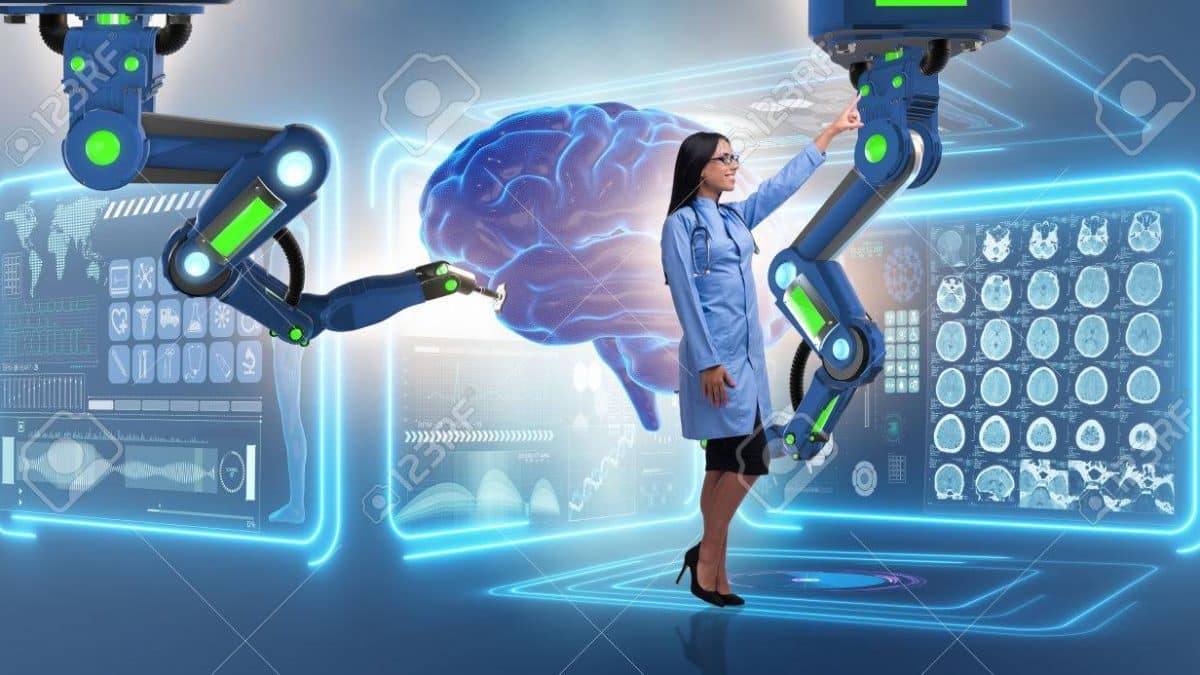
In a world of constant innovation, emerging technologies hold the power to transform countless aspects of life. From artificial intelligence to biotechnology and beyond, these breakthroughs are poised to disrupt industries, create new opportunities, and address some of society’s most complex challenges.
Artificial Intelligence (AI)
Perhaps the most talked-about emerging technology, AI continues to evolve at a breakneck pace:
- Machine Learning & Deep Learning: AI algorithms “learn” from vast amounts of data to recognize patterns, predict outcomes, and make decisions. This drives progress in image recognition, natural language processing, and self-driving cars.
- Generative AI: Models like ChatGPT and DALL-E generate realistic text, images, and even code, pushing the boundaries of creativity and posing questions about originality and intellectual ownership.
- AI Ethics: Ensuring fairness, transparency, and accountability in AI systems becomes increasingly crucial as AI makes decisions affecting healthcare, finance, and other sensitive areas.
Biotechnology
Advancements in our understanding of biology and genetics open doors to revolutionary innovations:
- Gene Editing (CRISPR): This technology offers the potential to correct genetic disorders, enhance crops, and tackle diseases. It raises significant ethical concerns that must be carefully addressed.
- Personalized Medicine: Precision medicine tailors treatments to an individual’s genetic makeup and disease characteristics, aiming for more effective and efficient healthcare.
- Bioprinting: Research in 3D-bioprinting organs and tissues could ultimately revolutionize transplantation and address organ shortages.
Augmented and Virtual Reality (AR/VR)
These technologies blur the line between the real world and the digital:
- Augmented Reality (AR): Superimposes digital information onto the real world (think interactive games like Pokemon Go or wayfinding tools). Applications span retail, education, and industry.
- Virtual Reality (VR): Creates fully immersive digital environments, transforming gaming, training simulations, travel experiences, and even mental health therapies.
- The Metaverse: A concept of persistent, interconnected virtual worlds where people can socialize, work, and play. It remains in the early stages of development, but its potential influence is huge.
Beyond the Buzzwords: Other Technologies to Watch
- Quantum Computing: Seeks to harness quantum mechanics to solve complex problems that are currently intractable for classical computers. Applications in drug discovery, financial modeling, and materials science.
- Blockchain: Decentralized ledger technology offers secure, transparent record-keeping, disrupting finance, supply chains, and data management.
- Robotics and Automation: Robots take on more complex tasks, revolutionizing manufacturing, logistics, and healthcare. Concerns about job displacement should be weighed against increases in productivity and safety.
- The Internet of Things (IoT): Networked devices, from smart homes to industrial sensors, collect vast amounts of data, driving efficiency and automation, but raising privacy and cybersecurity concerns.
- Renewable Energy & Battery Tech: Advances in solar, wind, and battery storage technologies are vital for combating climate change and transitioning to a sustainable future.
Navigating the Impact of Emerging Technologies
The potential benefits of emerging technologies are immense, but they don’t come without complexities:
- Widening Inequality: Access to and the adoption of these technologies may further exacerbate disparities between the tech-savvy and those left behind.
- Job Displacement: Automation threatens to make many jobs redundant, requiring widespread reskilling and social safety nets for a fair transition.
- Algorithmic Bias: AI systems trained on biased data risk perpetuating existing societal prejudices and discrimination.
- Security Risks: Emerging technologies, especially interconnected ones, are vulnerable to cyberattacks, with implications for privacy and national security.
Shaping a Responsible Future
Harnessing the transformative power of emerging technologies while mitigating their risks requires deliberate action:
- Promoting Inclusive Innovation: Ensuring representation and diverse perspectives in development processes to combat bias and inequality.
- Regulation and Governance: Developing frameworks to balance innovation with ethical considerations, safety, and transparency.
- Investment in Education: Preparing the workforce for future jobs, emphasizing digital literacy and lifelong learning.
The landscape of emerging technologies is thrilling, complex, and constantly changing. Staying informed, embracing adaptability, and advocating for their ethical use will be essential as we shape a future where these technologies serve the collective good of our society and the planet.
About the Author