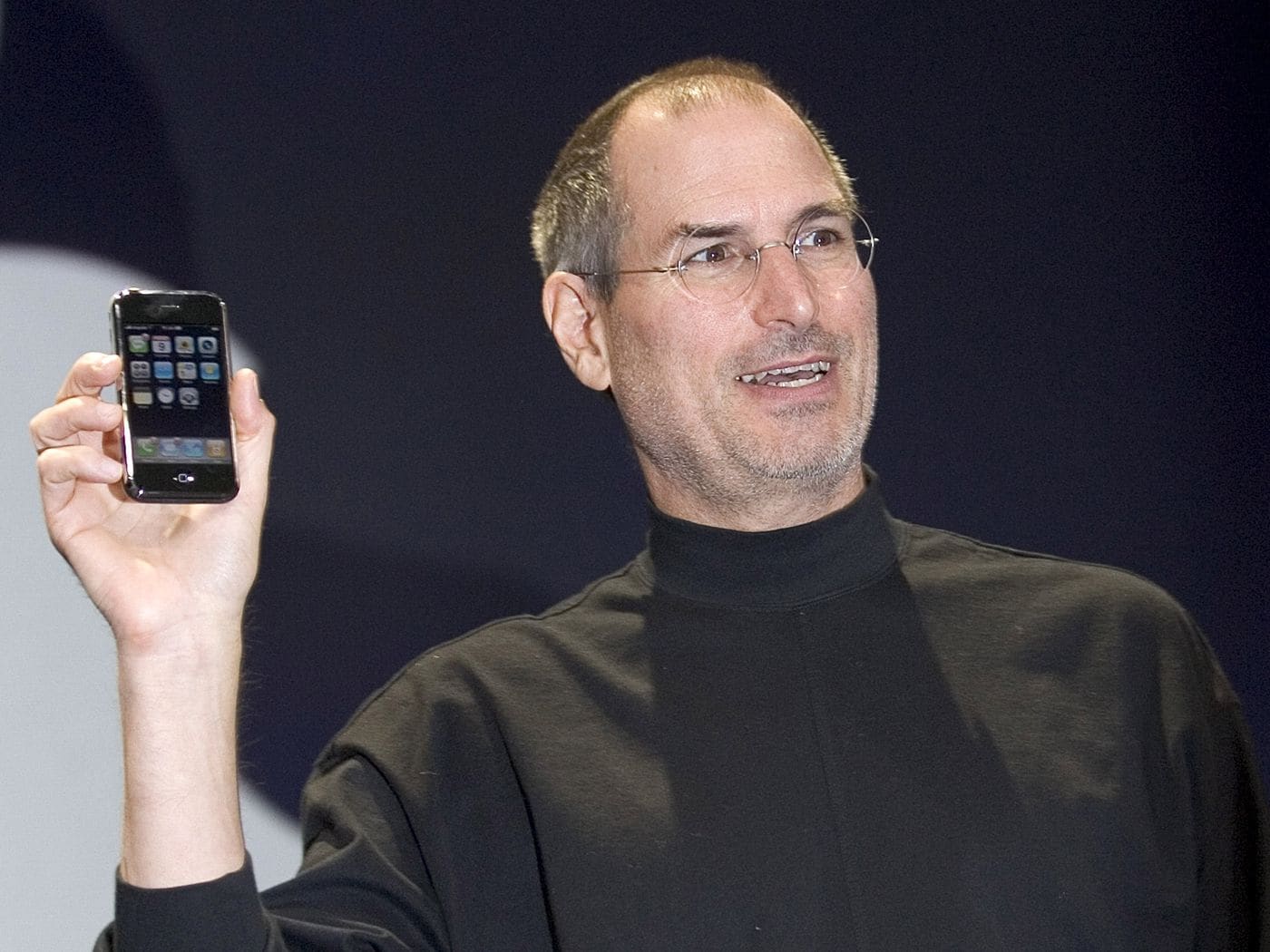
Steve Jobs at first eve iphone launch
In the grand scheme of human history, smartphones are a remarkably recent invention. Yet, in a little over a decade, they have fundamentally altered the way we live, work, and interact with one another. These pocket-sized powerhouses have become indispensable, shaping our communication, entertainment, and even our sense of self.
The Rise of Connectivity
The most obvious transformation brought about by smartphones is the explosion of connectivity. Gone are the days of landlines tethering us to our homes for a phone call. Smartphones have made communication instantaneous and ubiquitous. Text messaging, social media apps, and video calls have allowed us to stay in touch with friends and family across the globe, fostering relationships that would have been difficult or impossible to maintain in the past.
But smartphones didn’t just make existing connections easier – they also enabled the formation of new ones, often around shared interests. Online communities, forums, and social networks have created a sense of belonging for many, bridging divides of geography and circumstance. While there are valid concerns about the potential for social isolation, smartphones have undeniably connected people in ways that were impossible before.
Knowledge at Our Fingertips
Smartphones have become the gateway to the world’s information. With a few taps on a screen, we can access news updates, research complex topics, learn new skills, and answer the most obscure questions that pop into our heads. This access to information has democratized knowledge to an extent, breaking down barriers of status, wealth, and physical location.
Of course, with such a vast amount of information readily available comes the challenge of discerning what is reliable and accurate. Misinformation and disinformation spread like wildfire online, demanding a critical eye from smartphone users. However, the potential for learning and personal growth remains undeniable.
The Transformation of Work
For many, the boundary between work and leisure has been blurred by smartphones. Emails can be checked outside of office hours, calls taken away from the desk, and work documents edited on the go. This has increased flexibility for some, but it has also introduced a sense of being “always-on” for others, raising concerns about work-life balance and even burnout.
On a larger scale, smartphones have contributed to the rise of the gig economy, where individuals take on freelance or short-term work. Apps like Uber and TaskRabbit connect customers directly with service providers, often disrupting traditional industries and employment models. The long-term effects of these changes remain to be seen, but it’s evident that smartphones are reshaping the way we think about work.
Endless Entertainment
Smartphones have transformed the way we consume entertainment. Streaming services offer a seemingly endless supply of movies and TV shows on demand, accessible wherever we go. Music is in our pockets, ready to soundtrack any activity. Short-form video platforms like TikTok and Instagram Reels provide instant gratification with their bite-sized clips.
For better or worse, this constant stream of entertainment has implications for our attention spans and even our sense of boredom. The ability to instantly jump to the next video or game can make focusing on a single task more challenging for some.
Capturing the Everyday and Curating Ourselves
Smartphone cameras have turned us all into potential photographers and videographers. We document our lives in photos and videos, from the mundane to the momentous. Yet, more than simply capturing moments, smartphones allow us to curate how we present ourselves to the world. Photo editing tools and social media filters provide the means to perfect our images before sharing online, contributing to concerns about unrealistic beauty standards and the pressure to present an idealized version of our lives.
The Future of Smartphones
Predicting the future of smartphones is a bit of a fool’s errand, as technology advances at such a rapid pace. However, it’s safe to say that smartphones will continue to become even more powerful and integrated into our lives. Here are some potential developments to keep an eye on:
- Augmented Reality (AR): AR overlays digital information on the real world through a smartphone screen. This has potential for everything from navigation apps giving walking directions right in your field of view, to games that blend the real and virtual worlds.
- Enhanced Health Monitoring: Smartphones already track steps and heart rate, but future devices may incorporate more sophisticated sensors, allowing them to monitor blood pressure, glucose levels, and other vital signs.
- Artificial Intelligence (AI): AI advancements are being integrated into smartphone assistants, making them more responsive and capable. Future versions could anticipate your needs and offer proactive suggestions.
- Foldable Screens: Foldable smartphones are already on the market, and this technology will likely improve and become more mainstream. This opens up possibilities for larger screens within compact devices.
- Neural Interfaces: It sounds like science fiction, but researchers are investigating ways to directly connect our brains to computers. While it’s a long shot, a future where we can control our smartphones with our thoughts is not entirely outside the realm of possibility.
A Double-Edged Sword
Smartphones are a marvel of modern technology, offering immense benefits. But their powerful impact demands that we use them thoughtfully and critically. There are legitimate concerns about their potential for addiction, distraction, and social comparison. The erosion of privacy as companies collect data on our every move is also a troubling reality.
The challenge lies in harnessing the power of smartphones while mitigating their potential harms. This requires both individual responsibility and systemic changes from technology companies and governments. Finding the right balance won’t be easy, but it’s imperative for a society where these tiny devices serve us, not rule us.
About the Author