
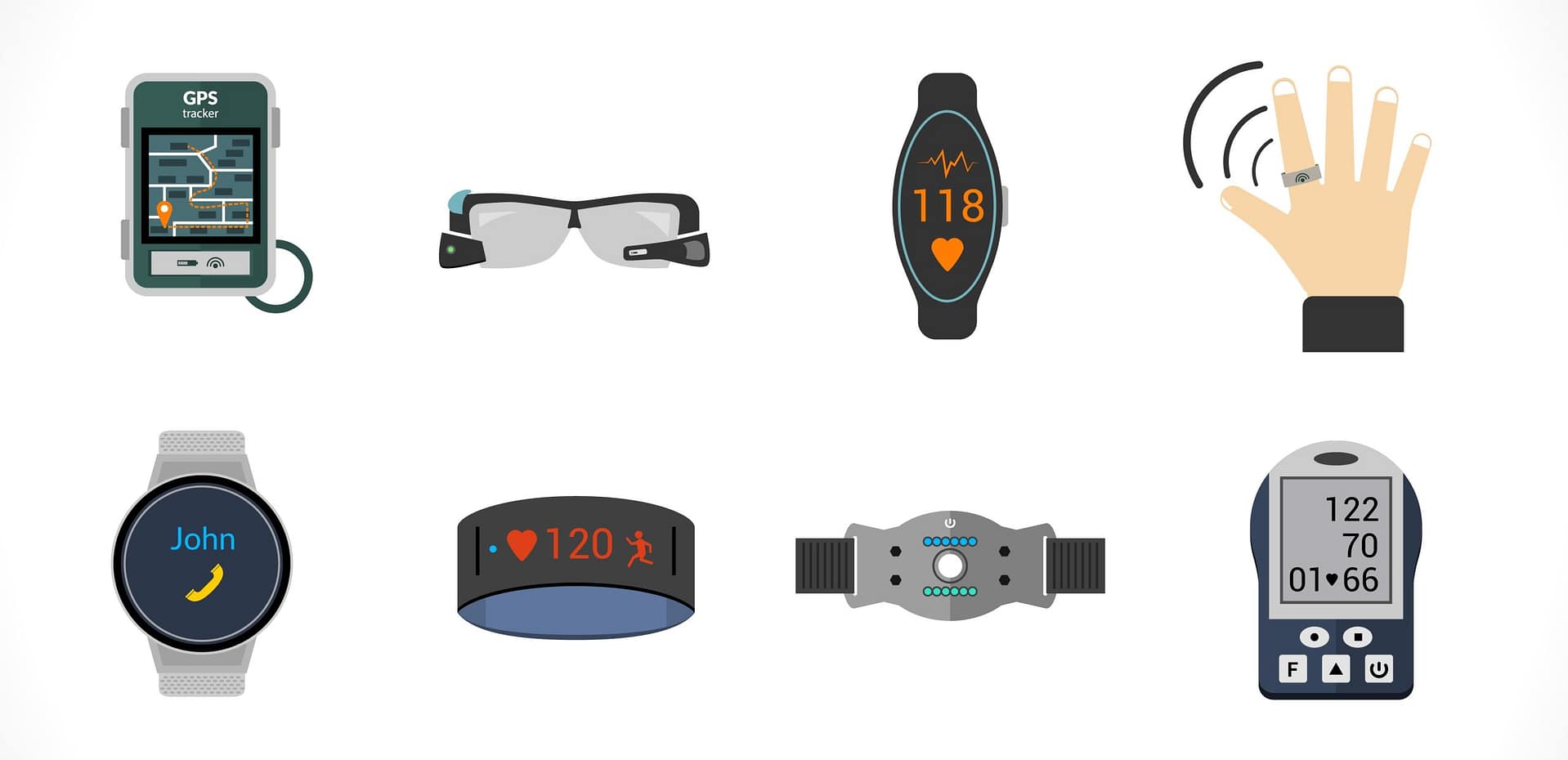
Wearable technology has moved beyond niche gadgets, becoming increasingly integrated into our daily lives. From simple fitness trackers to advanced smartwatches and even augmented reality (AR) glasses, wearables reshape the way we interact with the world and access information.
1. Beyond the Wrist: The World of Wearables
Wearables encompass a wide range of devices you wear on your body:
- Smartwatches: These mini-computers on your wrist offer notifications, fitness tracking, contactless payments, and even voice assistants.
- Fitness Trackers: Specialized in health monitoring, they track steps, heart rate, sleep patterns, and specific metrics like running cadence or blood oxygen levels.
- Smart Glasses: Augmented reality glasses blend the digital with the real. They can overlay directions, offer live translation, or project a virtual screen.
- Hearables: Smart earbuds and headphones with features like noise cancellation, health tracking, and direct access to voice assistants.
- Smart Rings: Tiny but mighty, smart rings monitor health metrics and serve as digital keys or contactless payment devices.
- Smart Clothing: Sensors embedded in clothing track workouts, posture, body temperature, and even analyze your golf swing.
2. Why the Boom: Benefits of Wearables
Wearables offer many advantages, driving their rapid adoption:
- Hands-free Convenience: Glancing at your wrist is more natural than fumbling for your phone.
- Real-Time Health Insights: Continuously monitor heart rate, step counts, and other indicators for overall health awareness.
- Actionable Data: Wearables collect personalized data over time, helping users identify patterns, optimize workouts, and improve sleep.
- Safety and Security: Some devices include fall detection, emergency SOS features, and location tracking for peace of mind.
- Productivity Boost: Receive notifications and quick updates without fully engaging with your phone, reducing distractions.
- Accessibility: Voice assistants and hands-free controls can offer enhanced accessibility for those with disabilities or limited mobility.
3. Industry Impact: Where Wearables Make a Difference
Wearables are disrupting various sectors:
- Healthcare: Doctors can remotely monitor patients’ vital signs, while devices aid in rehabilitation, and fitness tracking encourages preventative care.
- Fitness & Sports: Athletes utilize sophisticated wearables to analyze performance, optimize training, and prevent injury.
- Workplace: In warehouse/logistics, smart glasses enhance efficiency and safety through hands-free instructions and barcode scanning.
- Entertainment: AR glasses offer immersive gaming experiences and new possibilities for storytelling.
- Retail & Payments: Smartwatches and rings enable fast, touchless payments, streamlining the shopping experience.
4. Considerations and Challenges
While wearables offer tremendous potential, there are considerations to keep in mind:
- Privacy Concerns: Data collected by wearables is sensitive. Users should be wary of data sharing policies and have control over their personal information.
- Battery Life: Smaller-profile wearables may still have limited battery life, requiring frequent charging.
- Cost: Premium smartwatches and AR glasses can be expensive, limiting accessibility for some.
- Dependence: Over-reliance on wearables can diminish real-world interactions and awareness.
5. The Future is Wearable
The wearables market is still evolving, and promising innovations lie ahead:
- Non-Invasive Health Monitoring: Research into wearables that can track blood glucose or blood pressure, with potential for managing chronic conditions.
- Textile-based Wearables: Seamless integration of sensors into clothing for even less intrusive monitoring.
- Advanced AR Glasses: More lightweight and affordable AR glasses with wider applications for navigation, education, and remote collaboration.
- Brain-Computer Interface: Wearables could eventually bridge the gap between the digital world and our thoughts.
Conclusion
Wearable technology represents a profound shift in how we interact with technology and ourselves. While thoughtful consideration and addressing challenges are necessary, the potential of wearables to improve health, safety, productivity, and enhance our experiences is truly exciting. As wearables become more sophisticated and seamless, they will become more intrinsically woven into the fabric of our lives.
About the Author