Gaming accessories are everywhere, and many of them are marketed as if they will instantly transform the way you play. In reality, not every upgrade makes a meaningful difference. Some products are mostly about style, branding, or novelty, while others genuinely improve comfort, control, speed, awareness, and consistency. For players who want to perform better, the goal is not to buy everything. It is to invest in accessories that solve real problems and support better gameplay over time.
A Responsive Gaming Mouse
For PC gamers, a strong gaming mouse is one of the most important accessories to get right. It directly affects aiming, reaction speed, tracking, and overall control. A poor mouse can feel inconsistent, too heavy, too light, or uncomfortable during longer sessions. A better one can create smoother movement and more confidence in fast situations.
What matters most is not flashy lighting or exaggerated branding. It is shape, sensor reliability, weight, button feel, and how well the mouse matches the player’s grip style. For shooters and competitive games especially, this is often the single most impactful upgrade. A mouse that feels natural and responsive helps players focus more on the game and less on fighting their own equipment.
A Mechanical Keyboard With Good Feel
A gaming keyboard can also affect performance, especially in games that rely on fast movement, quick inputs, and repeated actions. Mechanical keyboards are popular for a reason. They tend to feel more responsive, more consistent, and more satisfying than low-quality membrane options. That can make movement, timing, and key combinations feel more dependable.
The right choice depends partly on preference. Some players want lighter switches for faster taps, while others prefer more resistance for control. What matters most is that the keyboard feels reliable and comfortable enough for long sessions. A good keyboard may not seem like a dramatic upgrade at first, but over time it can improve both speed and consistency.
A High-Refresh-Rate Monitor
If a player wants a meaningful visual upgrade that can support performance, a high-refresh-rate monitor is one of the strongest choices. A smoother display can make motion easier to follow, reduce the feeling of blur during fast action, and improve the overall responsiveness of gameplay. In competitive titles, this can help players react more confidently because what they see feels cleaner and more immediate.
Refresh rate alone is not everything, but it matters. Moving from a standard display to a faster one often changes how fluid games feel, especially in shooters, racing games, and competitive multiplayer titles. Once players get used to smoother motion, it can be difficult to go back.
A Comfortable and Accurate Headset
Sound is often underestimated in gaming, yet it plays a major role in awareness and reaction. A good headset can make it easier to hear footsteps, direction, reloads, distant action, and other important cues that affect decision-making. In team games, headset quality also matters for communication. Poor microphone quality or uncomfortable ear cups can become frustrating quickly.
The best gaming headsets balance comfort, clarity, and directional awareness. A headset that sounds impressive but becomes uncomfortable after an hour is not a real upgrade. Players perform better when they can wear their headset comfortably for long sessions without distraction.
A Proper Mouse Pad
A mouse pad might seem minor compared with bigger hardware, but it can have a real effect on aim and movement. The surface affects how the mouse glides, how much control the player has, and how consistent movement feels during quick or precise actions. An uneven or low-quality surface can make aiming feel less stable than it should.
Different players prefer different surfaces. Some like more speed, while others want more stopping power for precision. What matters most is consistency. A reliable mouse pad supports muscle memory, which is especially important for competitive gaming. It is often one of the most affordable upgrades that still makes a noticeable difference.
A Controller That Fits Well
For console gaming and controller-based PC play, the controller itself matters more than many players admit. Comfort, stick accuracy, trigger feel, grip, and button responsiveness all affect how natural gameplay feels. A controller that fits poorly in the hand or has weak input response can make certain games feel harder than they need to be.
For some players, a standard controller is enough. For others, especially in competitive games, a more advanced controller with back buttons, adjustable triggers, or stronger ergonomics can provide a real edge. The most important thing is that the controller supports long play sessions without discomfort and allows inputs to feel reliable under pressure.
An Ergonomic Chair or Seating Setup
Performance is not only about reaction time. It is also about how long a player can stay focused without physical discomfort becoming a distraction. A bad chair or poor seating position can lead to fatigue, poor posture, wrist strain, and reduced concentration. This matters more than many players realize, especially during long sessions or serious competitive play.
A better chair or a better overall seating setup will not improve mechanics directly, but it can improve endurance, comfort, and consistency. When the body feels better supported, it becomes easier to stay engaged and make better decisions over time.
Good Cable Management and Desk Space
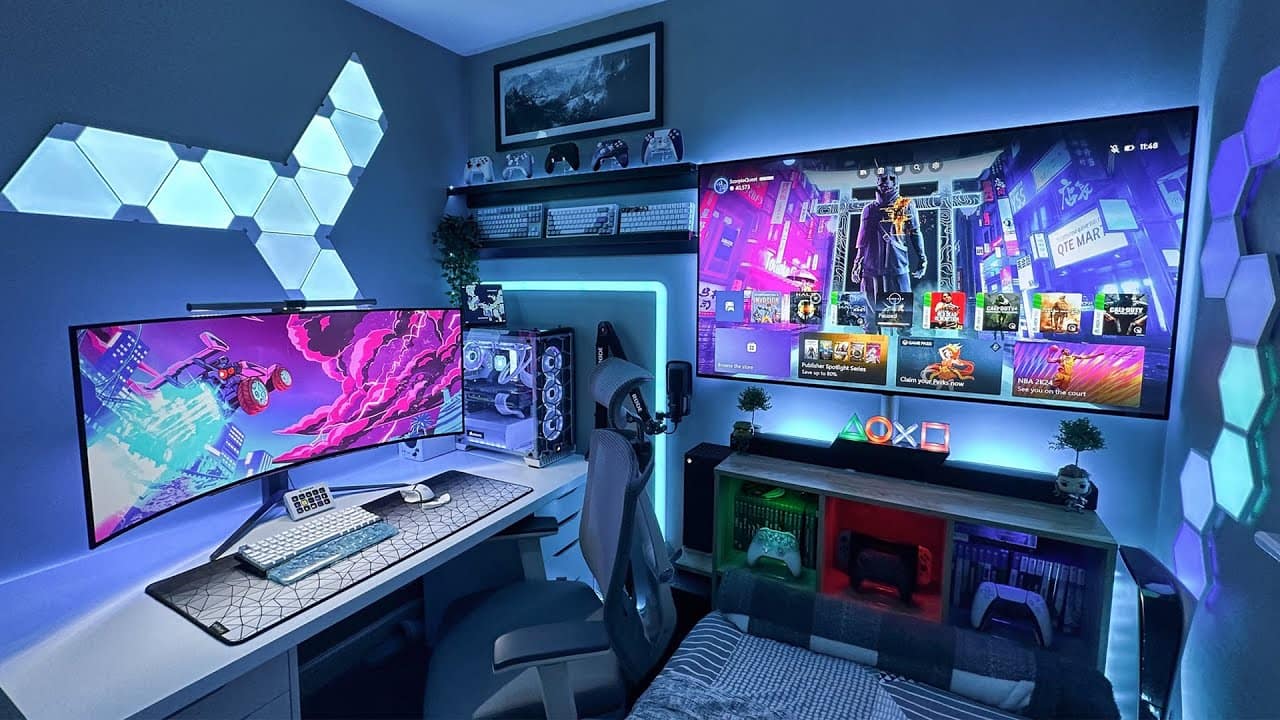
A cluttered gaming space can quietly affect performance. Tangled cables, limited mouse movement, poor desk layout, and awkward device placement all create small sources of frustration. These may not sound dramatic, but they can interfere with comfort and smooth control, especially in fast-paced games.
A cleaner setup with enough desk space and better positioning often improves play more than expected. Accessories like mouse bungees, cable organizers, and simple desk adjustments can make a setup feel more stable and less distracting. Good performance often comes from removing friction, not just adding expensive gear.
Do Not Confuse Performance With Hype
One of the biggest mistakes players make is buying accessories based on hype rather than actual need. A product may look premium and still have little effect on performance if it does not solve a real weakness in the setup. A player with a poor mouse will likely benefit more from fixing that than from buying decorative lighting or extra gadgets that do not affect gameplay.
The smartest upgrades usually come from asking simple questions. What currently feels limiting? What becomes uncomfortable during long sessions? Where does control feel inconsistent? Which part of the setup creates frustration most often? The answers usually point toward the accessories that matter most.
Skill Still Matters Most
It is also important to stay realistic. Accessories can support performance, but they do not replace practice, discipline, game knowledge, or decision-making. A stronger setup makes it easier to perform at your real level. It does not automatically create that level. The goal should be to remove equipment-related barriers so that improvement comes more from skill and less from unnecessary limitations.
In that sense, the best gaming accessories are not shortcuts. They are support tools. They make practice more comfortable, gameplay more consistent, and competition more fair by giving the player equipment they can trust.
Conclusion
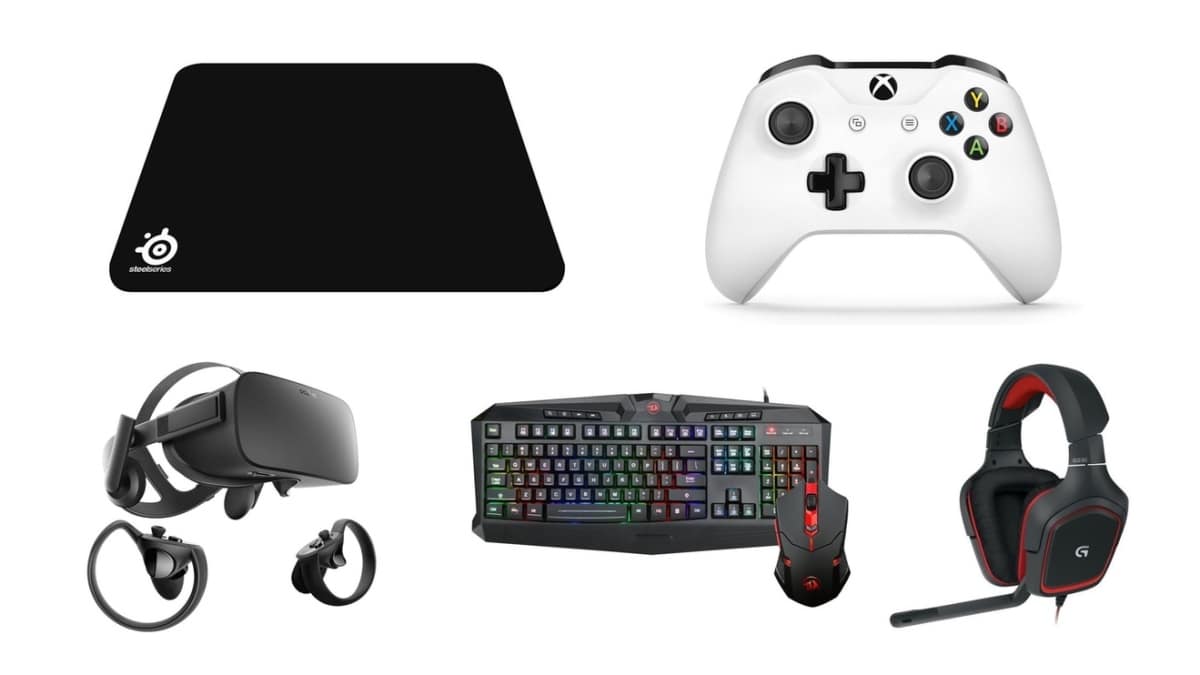
The top gaming accessories that actually improve performance are the ones that enhance control, awareness, comfort, and consistency. A responsive mouse, a good keyboard, a high-refresh-rate monitor, a comfortable headset, a proper mouse pad, a well-fitting controller, and a smarter physical setup can all make a real difference.
Not every upgrade needs to be expensive, and not every popular product is worth buying. The most valuable accessories are the ones that solve the right problem. When gaming gear supports the way a player actually plays, improvement feels more natural because the setup stops getting in the way.
About the Author