
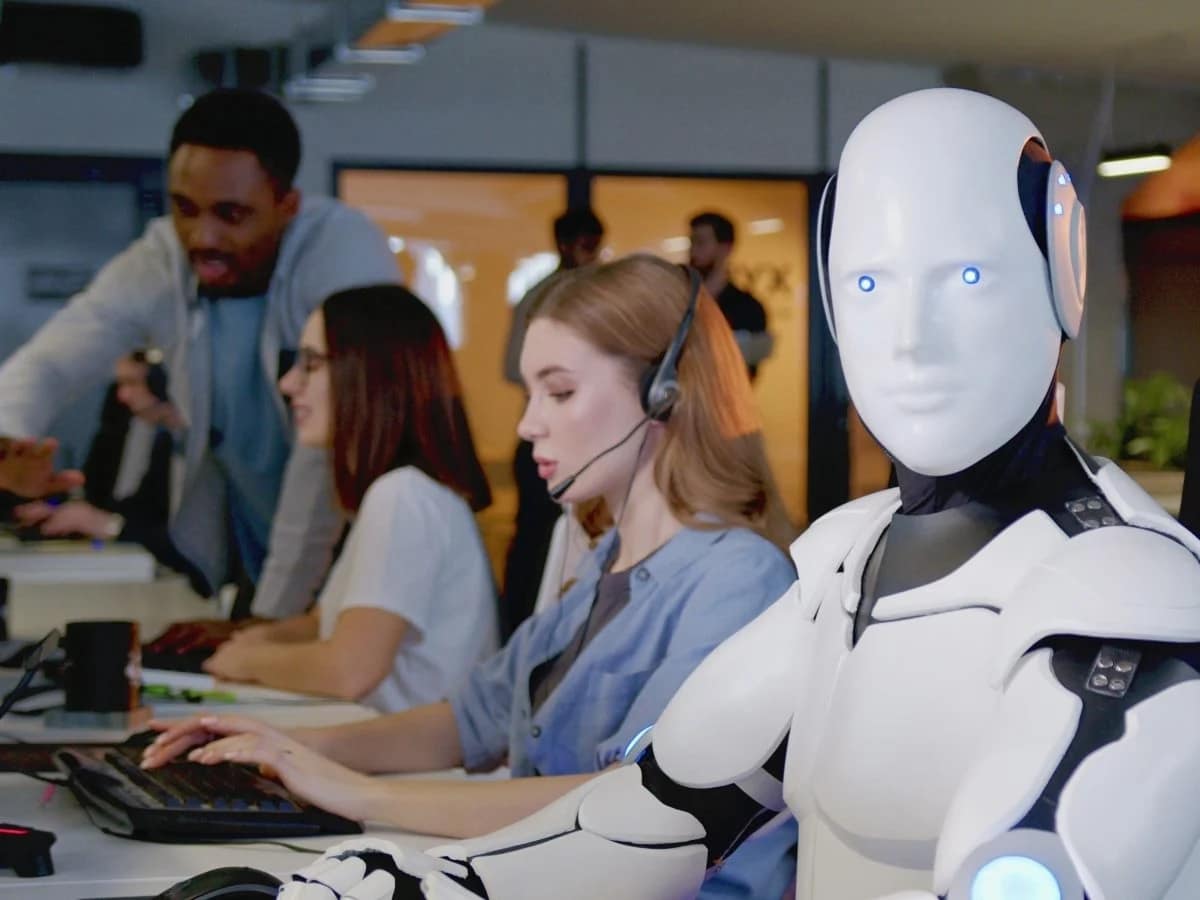
AI customer support tools have become one of the most common technologies businesses adopt when they want to improve efficiency, reduce response time, and handle more customer conversations without hiring large teams. In 2026, these tools are everywhere. They answer routine questions, suggest replies, summarize tickets, route conversations, power chat widgets, and sometimes even manage whole interactions without a human stepping in.
What AI Customer Support Tools Get Right
The clearest strength of AI support tools is speed. Customers do not like waiting, especially for simple questions. If someone wants to know where an order is, how to reset a password, what the refund policy is, or whether an item is in stock, they usually want a fast answer rather than a long support process. AI tools are well suited to this kind of work because they can respond instantly and handle large volumes at the same time.
This speed matters because many support interactions are repetitive. A business may receive the same few questions hundreds of times each week. Having humans answer each one manually is expensive and inefficient. AI can reduce that burden and free support teams to focus on more valuable conversations.
They Are Good at Handling Repetitive Tasks
AI support tools work best when the task is structured and predictable. They are strong at handling common requests with clear answers, such as account access issues, shipping updates, appointment confirmations, return instructions, and help-center guidance. In these situations, AI often performs well because the business already knows the likely questions and can define the correct response paths clearly.
This does not just save time for the company. It can also improve the experience for the customer. If a person gets the answer they need in seconds instead of waiting in a queue, the interaction feels smoother. That is one of the biggest reasons AI support tools have become so widely adopted.
They Improve Internal Support Efficiency
AI customer support tools are not only useful in customer-facing chat windows. They also help behind the scenes. Many tools now summarize conversations, suggest responses, identify sentiment, categorize tickets, and help route issues to the right team member. This can make human agents more efficient, even when AI is not handling the entire conversation on its own.
That support role is one of the smartest uses of AI. Instead of trying to replace agents completely, businesses can use AI to reduce repetitive work and make human support faster and more informed. In many cases, this leads to better outcomes than forcing AI to do too much on its own.
They Offer 24/7 Availability
Another clear advantage is constant availability. Customers now expect help at all hours, especially in digital businesses serving different time zones. Hiring human support teams to remain fully available around the clock is expensive, but AI tools can stay active without that limitation. This means businesses can offer some level of immediate assistance even when live agents are offline.
For global brands, ecommerce stores, software platforms, and service businesses with international audiences, this can be a major benefit. Even if AI cannot solve every issue, it can still help customers make progress instead of hitting a dead end outside business hours.
Where AI Support Tools Still Fail
The biggest weakness of AI support tools is that they often struggle when real understanding is required. They can sound helpful while actually missing the point of a customer’s problem. A user may explain a messy billing issue, an unusual account situation, or a multi-step problem, and the AI may respond with something that sounds polished but is only loosely related to what was asked.
This creates one of the most frustrating experiences in customer service: the feeling of being answered without actually being understood. When customers sense that the system is forcing them through canned responses instead of listening to what they mean, trust drops quickly.
They Often Break Down on Complex or Emotional Issues
AI tools are weakest when the issue is complex, unusual, or emotionally sensitive. A delayed package is one thing. A wrongly charged customer who is angry, confused, or worried is another. A business dealing with cancellations, service failures, technical disputes, or urgent personal concerns usually needs more than automation. These situations require judgment, empathy, and flexibility.
That is where AI still often falls short. It may provide generic apologies, repeat irrelevant help-center instructions, or fail to recognize that the user needs escalation rather than more automated guidance. In these moments, the problem is not that AI exists. The problem is when businesses force customers to stay with AI for too long before offering real human support.
False Confidence Is a Major Problem
One of the more subtle problems with AI support is false confidence. Some systems answer with a tone that sounds certain even when the information is incomplete, outdated, or slightly wrong. This can be more dangerous than a simple error message because customers may act on incorrect information with confidence.
In customer support, being almost right is often not good enough. If a refund rule is explained incorrectly, if a policy is misunderstood, or if the customer is told the wrong next step, the business may end up creating more work later. Confident but inaccurate support can quietly become more damaging than slower but reliable human help.
Customers Hate Feeling Trapped
Another major failure point is when customers cannot escape the AI system easily. Many people are open to using chatbots or AI support when the issue is simple, but they become frustrated when there is no clear path to a human. If the AI keeps repeating itself, misunderstanding the issue, or hiding escalation behind too many steps, the experience quickly becomes hostile.
Customers do not mind automation as much as they mind being trapped in automation. The difference is important. Good AI support feels like fast assistance. Bad AI support feels like a barrier between the customer and actual help.
They Still Need Strong Human Oversight
AI support tools work much better when businesses actively manage them. They need accurate knowledge sources, updated policies, careful prompt design, regular testing, and ongoing review of failure cases. When companies treat AI as a set-it-and-forget-it solution, performance usually declines.
This is one of the main truths businesses still need to accept: AI support is not self-managing. It requires oversight, correction, and thoughtful limits. The companies getting the best results are usually the ones using AI strategically rather than blindly handing over customer experience to automation.
The Best Use Case Is Often Hybrid Support
The most effective support systems are often hybrid ones. AI handles the repetitive, simple, and time-sensitive interactions. Human agents handle the complex, emotional, unusual, or high-stakes ones. This balance allows businesses to gain efficiency without sacrificing trust where trust matters most.
In this model, AI is not trying to pretend it is human. It is simply doing what it does best: speeding up routine service, reducing backlog, and supporting the team. Humans remain responsible for judgment, flexibility, and the moments where customer experience depends on being genuinely understood.
What Businesses Should Learn From This
Businesses should stop asking whether AI support tools are good or bad in general. That is the wrong question. A better question is where they create value and where they create risk. Used thoughtfully, AI support can improve response times, reduce repetitive workload, and make service more available. Used badly, it can frustrate customers, create distrust, and make support feel colder and less effective.
The key is to use AI where clarity exists and involve humans where judgment is needed. Businesses that understand this tend to get much better results than those chasing full automation just because it sounds efficient.
Conclusion
AI customer support tools get a lot right. They are fast, scalable, available around the clock, and strong at handling repetitive questions and internal support tasks. For many businesses, these advantages are real and valuable. But they still fail in important areas, especially around complexity, empathy, unusual situations, and confident mistakes.
That is why the future of customer support is not simply AI replacing humans. It is AI handling what should be automated and humans stepping in where understanding, judgment, and trust still matter most. Businesses that accept that balance will usually deliver better support than those trying to force AI to do everything.
About the Author